Nail Art

Artificial Nails: Dermatologists' Tips for Reducing Nail Damage
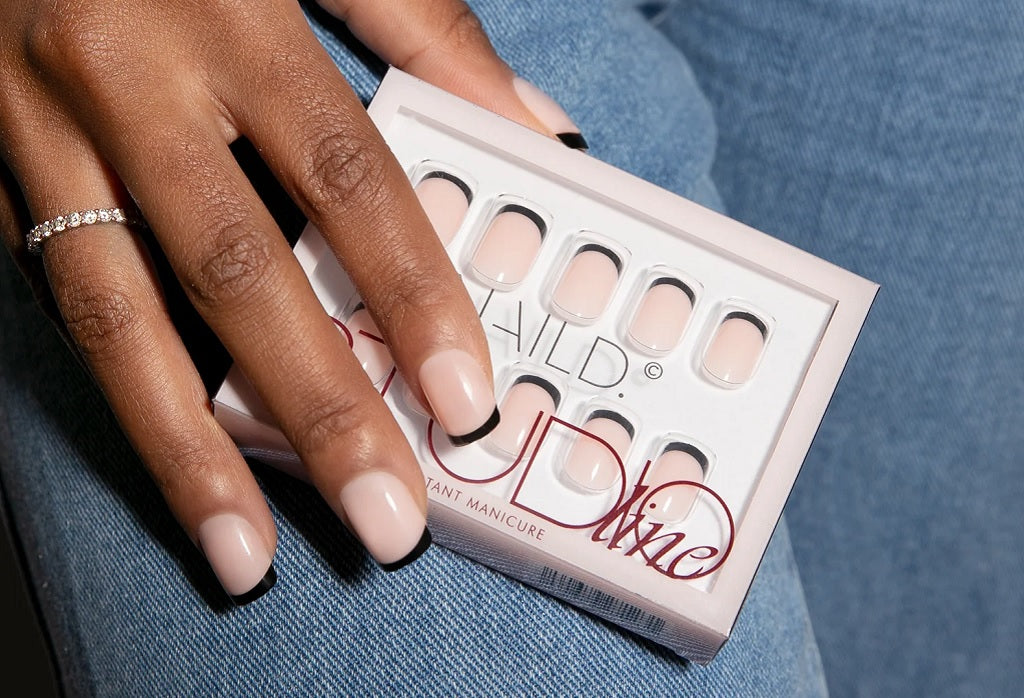
Artificial nails allow us to enjoy flawless manicures and to wear stunning nail designs that we couldn’t achieve with our natural nails. However, there are potential pitfalls to consider...
Learn more
How to Use Tea Tree Oil for Nail Fungus? Does it Work?
Did you know that a fungal infection can permanently damage your nails? In extreme cases, the fungus can spread throughout the body with severe consequences. Therefore, it's crucial to use an antifungal treatment as soon as you discover the problem.
Learn more
Hangnails: Causes, Treatment, Risks, and More
At first, a hangnail might be a minor annoyance. But it can quickly turn into something very painful and unsightly. If you want beautifully manicured hands, you must understand how to treat and avoid this common problem. Let’s talk about hangnails: causes, treatment, risks, and more. Before we begin, we have a quick disclaimer. Please consult a qualified healthcare professional if hangnails are a persistent concern for you or if you have signs of infection such as redness, swelling, and discharge. What Causes Hangnails? First, let's go over what causes hangnails. They are minor cuts or tears in the cuticle or the skin around the nails. Dry skin is often a key factor behind hangnails. It’s more likely to peel and crack. And frequent exposure to detergents, chemicals, and even plain water can dehydrate the skin. This includes regular use of nail polish remover. Cold weather also contributes to hangnails, as does low humidity. The environment can suck the moisture right out of the skin. Moreover, hangnails are likely to develop if the nails or the skin around them are injured. People who have a habit of cuticle picking or nail biting are more prone to this problem. But overzealous trimming of the cuticles can also cause hangnails. What Are the Risks of Hangnails? It may be hard to believe, but hangnails aren't just an annoyance. They can pose risks if they aren't cared for promptly and correctly. After all, you’ve probably noticed how hard it is to use the affected finger or toe when you have a hangnail. It hurts! But there are more significant problems than inconveniences. For example, a hangnail can become inflamed and infected. It creates an opening in the skin, which increases the risk of bacterial or fungal infection. If bacteria or fungi enter the open wound, it can lead to redness, swelling, pain, and pus discharge. In severe cases, an infection may cause cellulitis or an abscess and spread into the bloodstream. Sadly, this can happen to anyone, even healthy adults. Also, anyone with diabetes or an autoimmune condition should get prompt medical attention for an infected hangnail. Any break in the skin can be life-threatening. What Is the Best Treatment for Hangnails? When you notice a hangnail, don’t delay treating it. Here are the steps to follow: Sanitize the clippers, cuticle nippers, or scissors you'll use by soaking them in rubbing alcohol for 5 to 10 minutes. If you can't wait that long, cleanse them with alcohol and let them air dry for 30 seconds. Wash your hands with soap and water and thoroughly clean the affected area. It may help to soak the hangnail in warm water for a few minutes. It makes it easier to trim the skin and nails. Cut the hangnail as close to the base as possible without damaging the healthy skin. This may be painful. If it bleeds, use a styptic solution or direct pressure and a clean tissue to staunch it. Apply an antiseptic or antibacterial product and let it absorb. Then cover the hangnail with a bandage. If the wound is small, you may cover it with fragrance-free moisturizer, cuticle oil, or a thin layer of petroleum jelly to help it stay hydrated and heal faster. After treating the hangnail, keep it dry and protect it from dirt and chemicals until the skin heals. Keep it clean and apply moisturizer or other healing treatment morning and night or as often as needed. How Long Does It Take for a Hangnail to Heal? It usually takes a day or two for a hangnail to stop hurting. Then it may take a week for the skin to heal completely. When you want to cure the hangnail faster, wrap it in a bandage. Bandages (i.e., Band-Aids) not only create a physical barrier to protect wounds from contaminants but also make a moist environment to speed up healing. If the skin is hydrated, it can repair itself quicker. Moreover, bandages guard against friction and reduce the times you have to clean or moisturize the wound. Can You Hide a Hangnail? It may be nearly invisible once you've trimmed and moisturized a hangnail. But we've had a few inquiries about how to disguise a hangnail for selfies after a manicure. So, we have a couple of suggestions. First, try creative positioning. Angle the hand or foot so that the hangnail is less visible. Alternatively, apply concealer. However, this may sting and could lead to an infection. We advise washing it off immediately after taking photos and applying antiseptic and moisturizer instead. How to Prevent Hangnails? Your best bet for preventing hangnails is to keep your skin hydrated. Use a nourishing moisturizer and pamper yourself with spa gloves during a manicure. Most of all, apply cuticle oil regularly. Moreover, avoid biting and picking at the nails and cuticles. Instead, trim your nails regularly and use a fine-grit file to smooth the edges. Upgrade your manicure tools instead of using dull, rusty clippers or scissors. Clean, sharp blades will do a better job of protecting you from hangnails. Also, don gloves when doing household chores. The less your skin is exposed to chemicals and long soaks in water, the better it can resist dehydration and injury. And one more plug for cuticle oil – put bottles in the bathroom, your bedside, and in your bag so that you can always refresh your fingertips after washing your hands. Lavis Organic Cuticle Oil - Lavender BUY NOW Get professional results with this salon-quality cuticle oil. It's available in several scents, including soothing lavender. It's a vitamin-infused conditioner that prevents cracking, peeling, and splitting so your nails and skin stay healthy and strong. What’s more, it features natural ingredients and plant-based preservatives to look after your health. Conclusion We’re glad you dropped by! We hope these tips help you treat and prevent hangnails in the future. We invite you to visit our new arrivals page and get a sneak peek at what’s hot in the nail world. Also, take advantage of deals on essential nail supplies while enjoying free delivery on orders over $100!
Learn more
The Best Toenail Clippers for Proper Nail Grooming
Are you looking for the best toenail clippers to care for your nails? That's a great idea because too many people need to pay more attention to their toes. They grab whatever is cheapest when they shop for manicure or pedicure tools. But taking care of your toenails is essential for maintaining proper foot hygiene and overall health. High-quality toenail clippers make the job easy and prevent injuries.
Learn more
Can a Nail Steamer Remove Gel Polish at Home?
Can a nail steamer remove gel polish at home? The answer is yes, thanks to the innovative technology of this inexpensive device. It’s not at all surprising that celebrity manicurists and nail techs are investing in nail steamers. Now everyone else is interested because it provides a quick, efficient, and gentle method for removing lacquers, gels, acrylics, and dip powder manicures. In other words, a nail steamer lets you switch up your manicure without wrecking your hands or needing to visit the salon. How Does a Nail Steamer Work? Nail steamers work by warming acetone to an optimal temperature. The heat helps the acetone to break down the chemical bonds in polish more efficiently than soaking in nail polish remover alone. Even though it uses only acetone, nail steamers dissolve polish without dehydrating the nails and skin. This is because the steaming process works faster than soaking, minimizing the time the skin and nails are exposed to the harsh solvent. In the end, the experience is quite pleasant. It’s like soaking a hand in a warm bath. It even comes out smelling much nicer than it would after sitting in foil wraps or soaking in a bowl of acetone. Moreover, not only does it make the removal process quicker, but it also does a better job of softening the polish. Then, pushing off the residue with a cuticle stick is easy. How to Use a Nail Steamer You'll probably need to purchase acetone separately to use a nail steamer at home. Then fill the device with the recommended amount of liquid and turn it on. (Review the manufacturer's instructions for details, as they may vary between models.) While you wait for it to warm up, use a file to take the shine off the manicure. This allows the acetone to penetrate better. Once the device is ready, place your fingers inside silicone-lined holes of the steamer for a specified amount of time – usually between two and ten minutes. The treatment time depends on the product type, whether a nail lacquer (faster), dip powder manicure, or acrylics (slower). After steaming, use a cuticle pusher or an orange wood stick to gently push off the softened polish, working from the base of the nail toward the tip. Apply even pressure, and don’t scrape with the sharp edge to avoid damaging the nails. Once all polish has been removed, it’s still essential to moisturize the nails and surrounding skin. After all, you just finished using acetone, which is still harsh on the hands, even though the removal process was quicker. Apply cuticle oil to each nail and massage hand cream into your skin. This will help to replenish any lost moisture and promote healthy nail growth. Otherwise, instead of moisturizing immediately, you can apply a new manicure. We recommend a salon-quality gel that’s made for professionals and easy for beginners, too: Lavis Luxury Gel BUY NOW Gel polish has many benefits, including brilliant shine, durability, and vibrant colors. But this gel collection reaches a higher level of excellence. It's extra smooth and creamy, flowing onto the nail effortlessly. When it cures, it doesn't shrink or bubble. And the formula is free of harsh ingredients that could damage your nails. The hardest part is simply deciding which gorgeous hue to try first. Lavis Gel Diamond Top BUY NOW If you love it when your nails have a high-gloss finish, you’ve got to try the Lavis Diamond top coat. It will make your manicure last three weeks or longer, even if you only apply one layer. What's more, it makes every shade brighter, richer, and more sparkly. Is a Nail Steamer Right for You? Should you invest in a nail steamer? Is it worth it to spend the money on this polish remover device? Let’s do the math. How much would it cost at a salon to remove a gel manicure? We’ve seen prices ranging from $10-$25. As you can imagine, the nail steamer would be worth it after only two or three uses. Therefore, if you regularly do manicures at home, a nail steamer is cost-effective. Not only does it protect your nails from damage, but it also speeds up the removal process and saves time. However, not everyone has the budget or want to have more nail tools to manage. If you'd rather stay traditional, we recommend foil wraps for gel polish removal. They trap the heat from your skin and keep the acetone focused on where it’s needed. They aren’t as efficient as a nail steamer, but they are still far better for your nails than soaking your fingertips in a bowl of plain acetone. At a minimum, you can also guard against dryness by using polish remover with conditioning ingredients. Fortify Your Nails after Removing Gel Polish We can't emphasize this enough. It's crucial to apply moisturizer and cuticle oil after removing your manicure. Cuticle oil is occlusive, and it seals in moisture while providing essential nutrients for stronger nails and healthier skin. 24K Gold Nail & Cuticle Oil BUY NOW We love this cuticle oil because it absorbs rapidly and leaves our hands looking better right away. It brightens up the skin and brings out the color of the manicure. Plus, there's nothing like the look of well-cared-for cuticles to make the nails look prettier. The formula is enriched with real gold, essential oils, and the world’s best moisturizer – hyaluronic acid. It also comes in different mood-boosting scents like honeysuckle, jasmine, or lavender. Conclusion A nail steamer is an effective and convenient method for removing gel polish at home. By using only acetone and heat, this device dissolves even the most durable nail products without causing excessive dryness or damage to the nails and skin. It can also save time and money in the long run, so it's the perfect choice for those who do regular manicures. Take advantage of our deals and stock up on all of your nail care needs today. We offer complimentary gifts on orders over $35 and free shipping for orders over $100, too!
Learn more
How to Get Rid of Ingrown Fingernails?
They hurt! And they’re ugly. If you want to know how to get rid of ingrown fingernails, you’re in the right place. Let’s talk about what causes them, how to treat them, and how to prevent them in the future. What Causes Ingrown Fingernails? Ingrown fingernails are a painful condition that happens when the edge of the nail grows into the surrounding skin causing redness, swelling, and tenderness. It happens less often to fingers than it does to toes, but it still occurs. The most common causes of ingrown fingernails are improper nail trimming, a fungal infection, an injury to the nail, or nail biting. You may think it’s impossible to not notice if you have an ingrown fingernail, but we disagree. Just like a fingernail fungal infection, you might not notice the problem if it’s hidden by your manicure. It’s just one more reason to take good care of your nails and inspect them weekly. Symptoms of Ingrown Fingernails Oh, you’ll know it when you have an ingrown fingernail! You might not notice much at first, maybe just a little redness and swelling. But soon the affected area will be painful to touch, which makes everyday tasks like typing feel like torture. You may also notice that the edge of the nail is trapped under the skin. If the ingrown fingernail worsens, the skin may feel hot and you may see a yellowish discharge. Those are warning signs that you need medical care soon. Complications of Ingrown Fingernails If left untreated, ingrown fingernails can cause complications such as an abscess or even a bone infection. If your finger has pus coming from it or feels hot, get medical treatment right away. Believe it or not, when an ingrown fingernail has infected deep into the fingertip, it’s called a felon. It reaches the bone, initiating osteomyelitis. That’s when you will experience symptoms like severe pain, redness spreading from the original site down the finger, difficulty bending the joints, and a fever. That’s when it’s crucial to see a doctor as soon as possible! A visit to the emergency room would be appropriate. Home Remedies for Ingrown Fingernails There are a few DIY treatments that may get rid of ingrown fingernails: Soaking the affected finger in warm water with Epsom salt reduces swelling and eases pain. Do this for 10 minutes twice a day. Over-the-counter treatments like antibiotic creams may help. Apply them according to the instructions they come with. Wear a bandage to protect the area from further damage. Leave it a little loose. After soaking the finger, try lifting the nail with dental floss. You may be able to encourage it back into the proper position. Can a nail drill help you treat an ingrown fingernail? Not exactly, but it may help you prevent ingrown fingernails in the future. If you skillfully shape nails with a nail drill, you won’t have to worry about jagged edges. Lavis Nail Drill BUY NOW It’s intimidating to use a nail drill for the first time. But just like anything else, it just requires practice to master. We love this nail drill because it’s easy to use and control. The wand is separate from the quiet brushless motor so vibrations don’t cause a problem. It runs up to 10 hours per charge. Hold the wand at a 45° angle parallel to the surface and take your time. You’ll soon wonder how you managed to do manicures without the drill before! Hopefully, treating the ingrown fingernail at home will make it go away. But if worse comes to worst, you’ll need to see a doctor. Medical Treatment Options for Ingrown Fingernails If you have neuropathy, diabetes, or problems with blood circulation, please see a doctor right away about an ingrown nail. Persons with these conditions run the risk of severe consequences if they don’t get the correct treatment. If the ingrown fingernail persists, the doctor may need to remove the affected part of the nail or prescribe antibiotics to treat an infection. Before they try drastic steps, they may do something as simple as inserting a medicated cotton wedge under the edge of the nail. This relieves the pain and helps the nail grow in the proper position. If you’ve developed an abscess, a doctor may drain the pus. If it’s severe, you may need to have a wick inserted to allow drainage for the next day or so. Nail Care Tips to Prevent Ingrown Fingernails Here’s how to prevent ingrown fingernails. Practice good nail care. This includes trimming your nails straight across and avoiding cutting them too short. This also includes not biting them too short! How short is too short? Leave a thin strip of white at the tips when you trim your nails. If you cut down into the skin where the nail is pink, you run the risk of having the nail grow out under the skin. Also, pay attention to the edges. Don’t leave the nails jagged or spiky. If your clippers aren’t doing a good job, replace them. Get a manicure set that meets your needs. When you file the nails move in one direction only, not back and forth. If you saw from side to side, you run the risk of causing split nails. Lastly, use moisturizer and cuticle oil daily to keep your nails healthy. Hydrated skin and nails are less prone to ingrown fingernails and other problems. 24k Gold Nail & Cuticle Oil - Orange BUY NOW There's nothing like the scent of freshly peeled orange to make a person feel more energetic and positive. That's why we have this delicious orange cuticle oil that's infused with real gold and hyaluronic acid. It draws in essential moisture to help the nails and skin look and feel their best. Conclusion We hope these tips help you get rid of ingrown fingernails right away and avoid them in the future. Once you’re all healed up, celebrate with a new manicure! Come see the latest nail trends and products on our new arrivals page. Remember, we offer free shipping on orders over $100!
Learn more
What Causes Brittle Nails with Ridges?
One day you notice that your fingernails aren’t shiny and strong anymore. Now you’re wondering what causes brittle nails with ridges. Let’s see if we can help you uncover the problem. What Causes Brittle Nails? The most common reason why nails become brittle is that they’re dehydrated. Here are some of the things that cause dry, brittle nails: Cleaning or washing with your bare hands more than usual. Household cleaners and detergents suck the natural oil right out of the skin and nails. Nail polish remover and rubbing alcohol will dry out the nails, and so will nail dehydrator used for certain types of manicures. Moreover, if the nails are constantly exposed to water, that can make them brittle, too. But instead of being flaky and hard, they will feel soft and crumbly. Even biting your nails can make them brittle. That’s because saliva dissolves the keratin and weakens the nails. A fungal infection can also weaken and thicken nails, but often causes discoloration which makes it easier to identify. But there’s another natural cause of brittle nails. It’s aging. Fingernails get more dull and brittle while toenails get thicker. However, your nails can also indicate health problems. It’s smart to pay attention to brittle nails with ridges and see if there’s an underlying condition. What Causes Ridged Nails? As we mentioned, just growing older can make your nails brittle and dull. You may also develop vertical lines in them. That’s all pretty normal, if annoying. Still, brittle nails with ridges can indicate a deficiency in your diet and other health issues. Underlying Health Conditions and Vitamin Deficiencies Being anemic (having an iron deficiency) can cause vertical ridges in brittle nails, or give them a spoon-shaped dent. If you have thyroid problems, it can also affect the appearance of your nails, making them thicker and deformed. Both of these health issues often include fatigue and other symptoms. Therefore, if you’re feeling unwell lately and your nails are ridged and/or brittle, please talk to your doctor. Eczema and Psoriasis Psoriasis and eczema are skin conditions that may also affect your nails, causing them to become brittle and ridged. Chronic Circulation Problems If you have Raynaud’s syndrome, the lack of proper blood flow can lead to brittle nails with ridges. If you’re not sure if you have this issue, there’s a dead giveaway. Your hands will develop white and purple patches when exposed to cold temperatures. Acute Illness If you’ve been acutely ill in the past few weeks with measles, pneumonia, COVID-19, or another infection where you had a fever, your nails may develop horizontal grooves called Beau’s lines. These are temporary ridges that will grow out in about 6 months. If they come back or continue to appear, please check with your doctor. Beau’s Lines Horizontal ridges or dents can also come from chemotherapy, peripheral vascular disease, zinc deficiency, or physical damage to the nails. The damage may come from an injury or an improperly done manicure with acrylics or gels. Should I Be Worried about Ridges on My Nails? It’s a good idea to show your nails to your doctor if you’re concerned about them. This is especially true if you’ve noticed that the surface has become spoon-shaped or dented and pitted. If your nails take on a clubbed shape, become discolored, or develop swelling and redness around them, those are other urgent reasons to consult with a healthcare provider. How Long Does It Take for the Ridges to Go Away? If you’ve had treatment for an underlying condition like a deficiency or health issue, the nails may start to improve on their own after a few weeks. Remember that it takes fingernails about six months to grow out and about a year for a toenail. How to Treat Brittle Nails with Ridges at Home? The best thing you can do for brittle nails is to keep them moisturized. This applies to both hands and feet. (But if you are diabetic or have neuropathy, get care instructions from your doctor first.) Here are tips to make brittle nails with ridges stronger and healthier: Apply hand cream and cuticle oil morning and night at least, and throughout the day after washing if possible. Drink more water if possible. Wear gloves if your hands will be in water or if you’ll be using cleaners. Don’t chew on your nails. Check with your doctor about vitamin supplements. Biotin may accelerate nail growth and make them stronger and shinier. Keep the nails trimmed. Sanitize your manicure tools to prevent fungal infections. If you buff the nails to remove the ridges, don't overdo it. Instead, use a nail strengthener for a few weeks. It's a type of polish that will make the nails look smoother without buffing. Take a break from artificial nails. Apply nail hardener instead. Switch to non-toxic nail polish. You may hear the recommendation to give your nails a break from all sorts of nail treatments. That’s not bad advice. It’s just not realistic for everyone. Some of us are embarrassed by how our nails look au natural. The solution is to use gentle nail polish with as few harsh ingredients as possible. We'd like to recommend LDS nail lacquer. Here's why: LDS Nail Lacquer BUY NOW Don’t be shy. Dress up your nails for any occasion. This polish is highly pigmented and smooth-flowing. Plus, it lasts up to a week without chipping. There are hundreds of gorgeous shades to choose from, and all of them are 9-free. These nail lacquers do not contain harmful ingredients like petrochemical solvents or toluene that dehydrate natural nails. What's more, they don't have carcinogens or hormone disruptors like phthalates or formaldehyde. There's no camphor that could cause allergic reactions. The formula is free of polyurethane, DBP, ketones, and BHA, too. Conclusion It’s smart to pay attention to your nails because they can tell you a lot about your health. If you’ve noticed that they are brittle and ridged, show them to your doctor. Also, keep your skin hydrated and avoid harming your nails to help them recover.
Learn more
The 5 Best Non-toxic Nail Polishes 2025
If you want non-toxic nail polish for pregnancy or just want to take care of your health, it can be challenging to find what you need. There are all kinds of questions that come up. For example, how do you choose the best non-toxic nail polishes? Is gel or lacquer safer? How do you even know what is the healthiest type of nail polish? What Ingredients Should Be Avoided in Nail Polishes? The good news is that most nail care brands have cut out the three most harmful chemicals from their formulas. It’s easy to find non-toxic nail polishes that are 3-free. These don’t contain formaldehyde (a preservative that causes cancer), toluene (a solvent linked to brain damage), or dibutyl phthalate (DBP, a plasticizer that causes liver and kidney damage). Here’s an example of a 3-free nail lacquer: OPI Nail Lacquer BUY NOW Is OPI non-toxic? The brand eliminated DBP back in 2006. Without a doubt, users are better off without it! Moreover, OPI says that their lacquers are also free of toluene and formaldehyde. We cross-checked the SkinSAFE database and were pleased with what else we discovered. OPI polish is described as 73% free of top allergens, too. But some nail care brands are even more careful with consumers’ health. These days, you can find nail polish that is 5-free, 7-free, and so on. Sally Hansen’s Good.Kind.Pure polish is 16-free, for example. Most manufacturers will state up front which ingredients they don’t include in the polish. The list may include other harmful chemicals like xylene, camphor, phthalates, ketones, petrochemicals, and parabens. Each of these toxins can have a harmful effect ranging from skin irritation to respiratory problems and even organ damage or cancer. Although it’s true that polish doesn’t absorb through the keratin of the nail, there are other ways these poisons can get into your system. How many times have you put your polished nails into your mouth? How often have you gotten polish on the skin around the nail? How long do you breathe in the fumes? Depending on whether the toxin accumulates in your cells, you might not notice the effects for years. What Nail Polishes Are Safe? Here’s our favorite non-toxic nail polish from LDS nails. It’s 9-free, putting it in the same healthy polish category as OPI Nature Strong. What’s amazing is that it also has fewer toxins than ella+milla which is only 7-free! LDS 170 Young Attitude - LDS Healthy Nail Lacquer BUY NOW It’s time to feel good about glitter! This lacquer is vegan and cruelty-free. What’s more, it’s 9-free! It doesn’t contain formaldehyde, DBP, toluene, ketones, phthalates, BHA, camphor, polyurethane, or petrochemical solvents. Since it’s a lacquer, not a gel, it air-dries. You don’t need to expose yourself to ultraviolet radiation to enjoy a manicure with it. The LDS line of healthy nail lacquers offers more than 170 shades. When properly applied, each one lasts up to 7 days of wear. For more durability, check out the LDS gel polish. It lasts up to 3 weeks, plus it’s odorless. Who Makes Sure That Nail Polish Is Non-toxic? We hate to break it to you, but the FDA doesn’t approve nail polish before it comes to market. As long as manufacturers provide appropriate labeling and encourage the proper use of the product, the company is off the hook. It’s up to watchdogs like the EWG (Environmental Working Group) to provide the public with information. It’s much easier to do this when manufacturers provide MSDS sheets. Kiara Sky is a brand that does this for both gels and lacquers. The Material Safety Data Sheets are available on its website. Kiara Sky Gel Polish 566 - Blue Colors - You Make Me Melt BUY NOW Kiara Sky is based in Bakersfield, California. We checked the MSDS sheet for this pretty blue shade of gel polish they make. At the time of writing, the list of ingredients included: Methacrylate oligomer. Methacrylate monomer. HPMA. Monomer. Phosphine oxide ester. Hydroxycyclohexylphenyl ketone. Various pigments. As you can see, there’s no mention of DBP, formaldehyde, toluene, parabens, xylene, etc. The next section of the MSDS page talks about first-aid measures. It’s a pretty standard warning suggesting that it’s best to not ingest the polish, get it on the skin, or get it in the eyes. If you scroll to the bottom, you’ll see the part about inhalation. If the polish is used in a poorly ventilated area, it could cause dizziness, headache, or nausea. Also, on the skin, it may cause dryness or redness. Prolonged or frequent contact could cause a rash. On the fifth page, the polish is confirmed as non-carcinogenic with no known problems for reproduction or genetics. Plus, it wasn’t tested on animals so it’s cruelty-free. We also checked the Kiara Sky nail lacquer MSDS sheet. Kiara Sky Nail Lacquer - N588 Shake Your Palm Palm BUY NOW This lovely shade of green is composed of butyl acetate, ethyl acetate, nitrocellulose, and isopropyl alcohol. If you visit INCI Decoder, you can learn about each of these ingredients. For instance, you’re already familiar with isopropyl alcohol or rubbing alcohol. It’s a solvent. Then, there are ethyl and butyl acetate that are solvents in many brands of nail polishes including essie and OPI. Lastly, nitrocellulose is what forms the film to coat the nail. It’s also in many nail lacquers. In summary, there’s nothing too scary in this bottle! Is Gel Polish Safer than Nail Lacquer? If you want to stay away from harsh solvents and strong odors, gel polish is better. Some brands smell downright pleasant. And as long as you apply and cure it properly, a gel manicure is safe for nails. When it comes time to remove gels, you can also minimize your exposure to acetone by using nail wraps. Lavis Gel Polish 133 - Whisper White BUY NOW This sophisticated shade dresses up any outfit. But it’s just one of the over 200 Lavis gels available. Although they are formulated for professionals, they are super easy for beginners to use. The smooth formula won’t shrink or bubble. Plus, the polish cures within seconds under either LED or UV nail lamps. What’s the Best Non-toxic Nail Polish for Kids? For little kids, we recommend a water-based formula like Piggy Paint. It’s got a safe rating on the EWG database. That’s essential as we know how much little ones like to stick their fingers in their mouth. Moreover, it doesn’t have a strong odor and it comes in lots of cheery colors. Even the brush is designed for little fingernails. Conclusion When nail care brands started eliminating toxic chemicals from their polishes, it was a win for everyone. Not only are consumers safer, but so are nail artists. It’s also better for everyone involved in manufacturing the polishes as well as the environment. We hope the information here helps you choose the best non-toxic nail polish for your needs today. Check out our deals page and stock up to get free shipping on orders over $100!
Learn more